Positioning
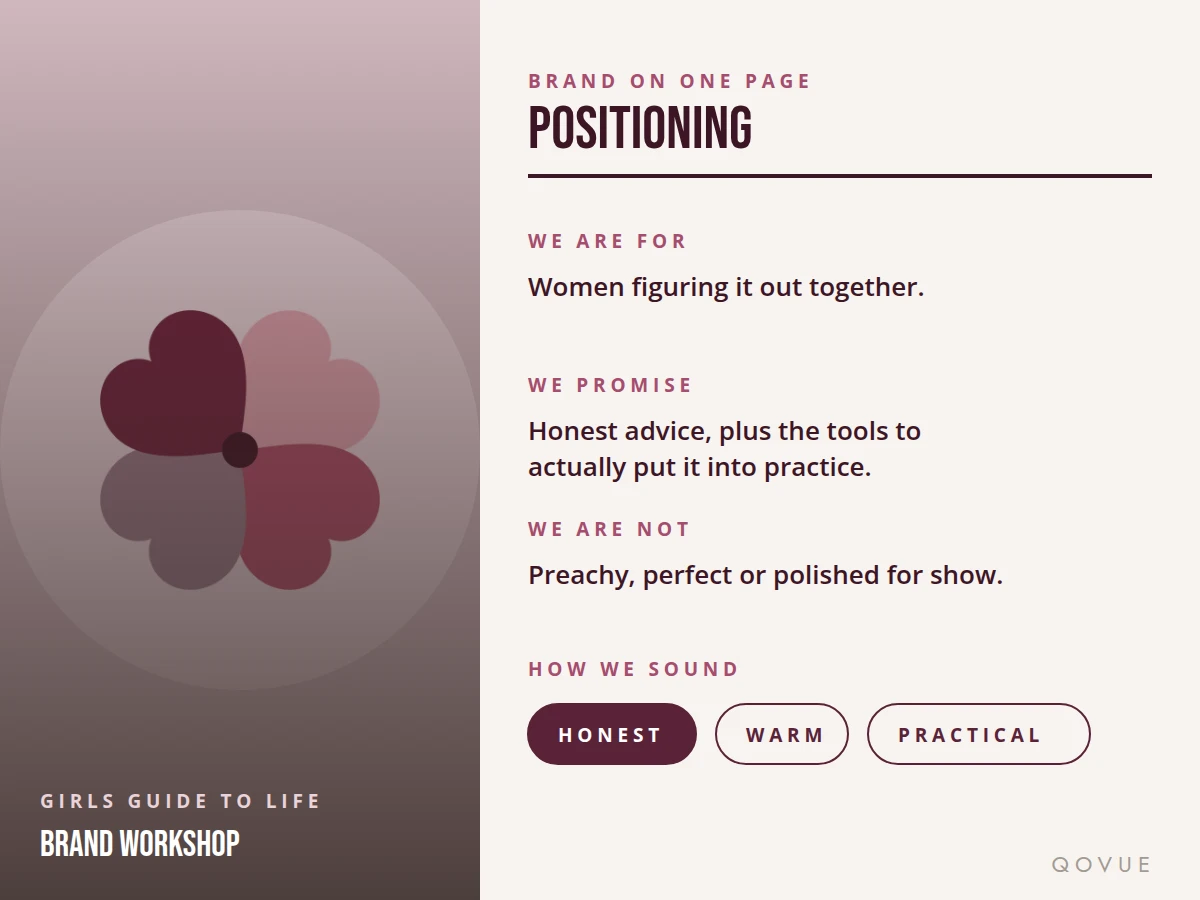
Who you’re for, what you stand for and how you say it, agreed in a workshop and written down on one page you can share with your team.
EXAMPLE
A one-page brand summary: who you’re for, what you promise, and three words that describe how you sound.
Workshop Audience Tone of voice
Naming
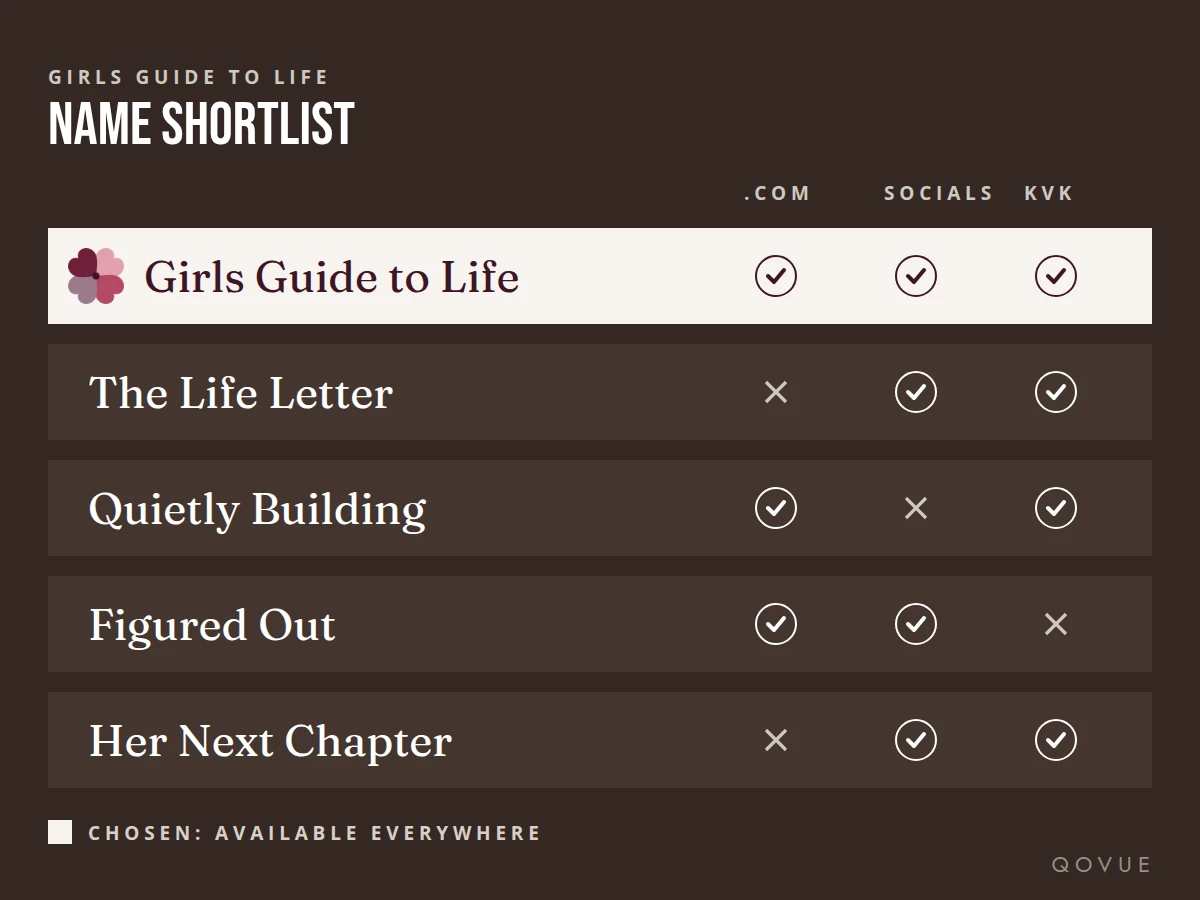
New business names, product names and taglines, checked for availability as domains and in the KvK register.
EXAMPLE
A shortlist of five names, each checked for .nl and .com domains and existing businesses in the KvK register.
Business names Taglines Availability check
Logo and identity system
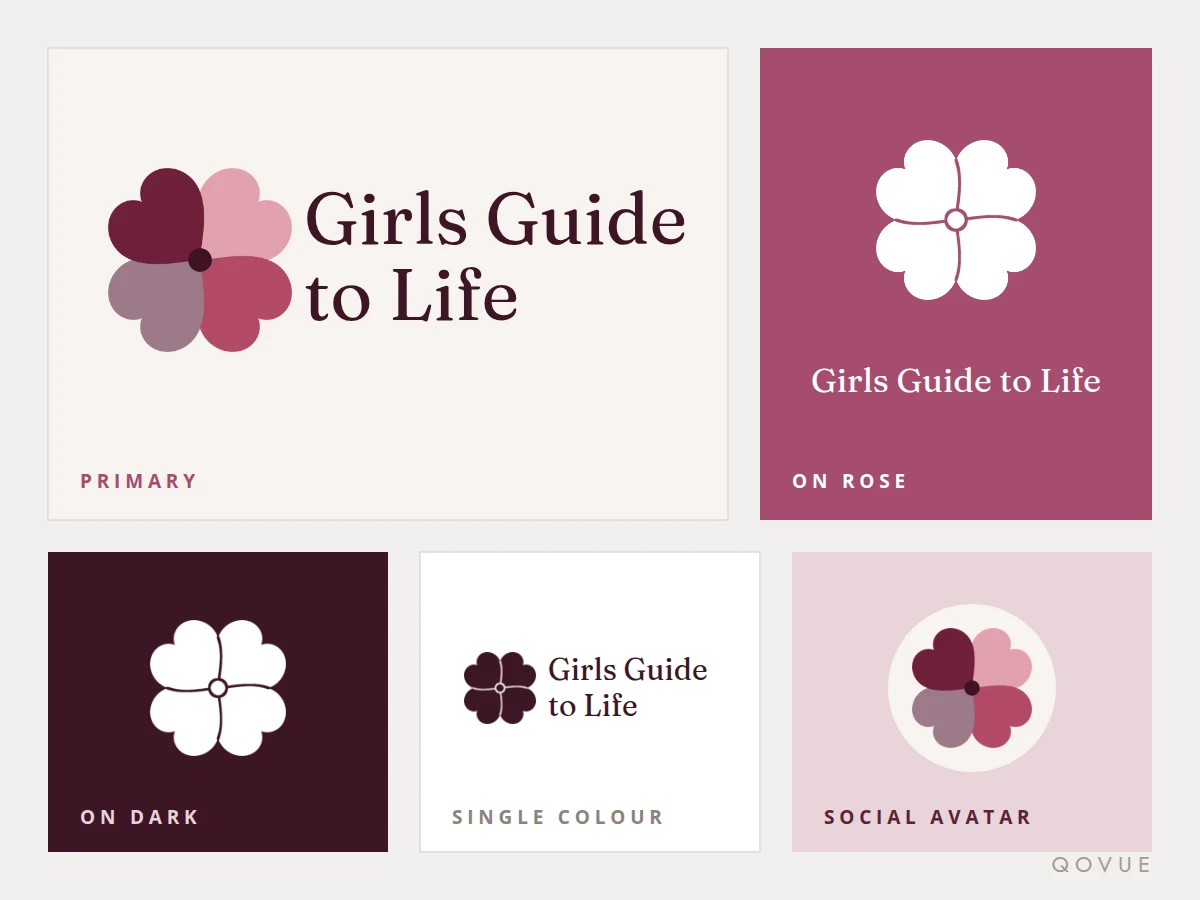
A primary logo with variations for small sizes, dark backgrounds and social profiles, plus the graphic elements around it.
EXAMPLE
A primary logo, a compact version for social profiles, and a single-colour version for embossing or engraving.
Primary logo Variations Graphic elements
Typography, colour and imagery
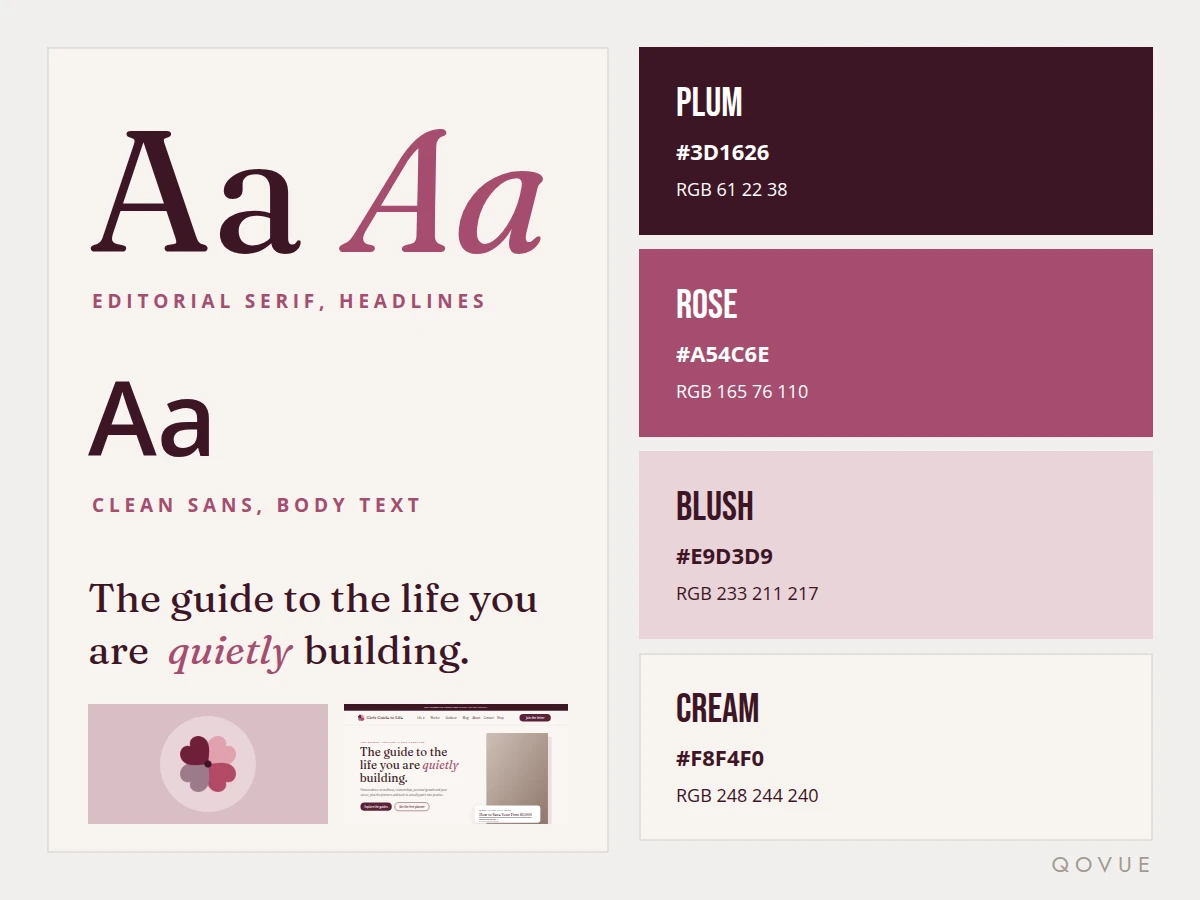
Typefaces, a colour palette with web and print values, and an imagery style that guides every future shoot.
EXAMPLE
A palette with exact values for screen (HEX, RGB) and print (CMYK, Pantone), plus two typefaces and how to pair them.
Typefaces Palette Imagery style
Brand guidelines
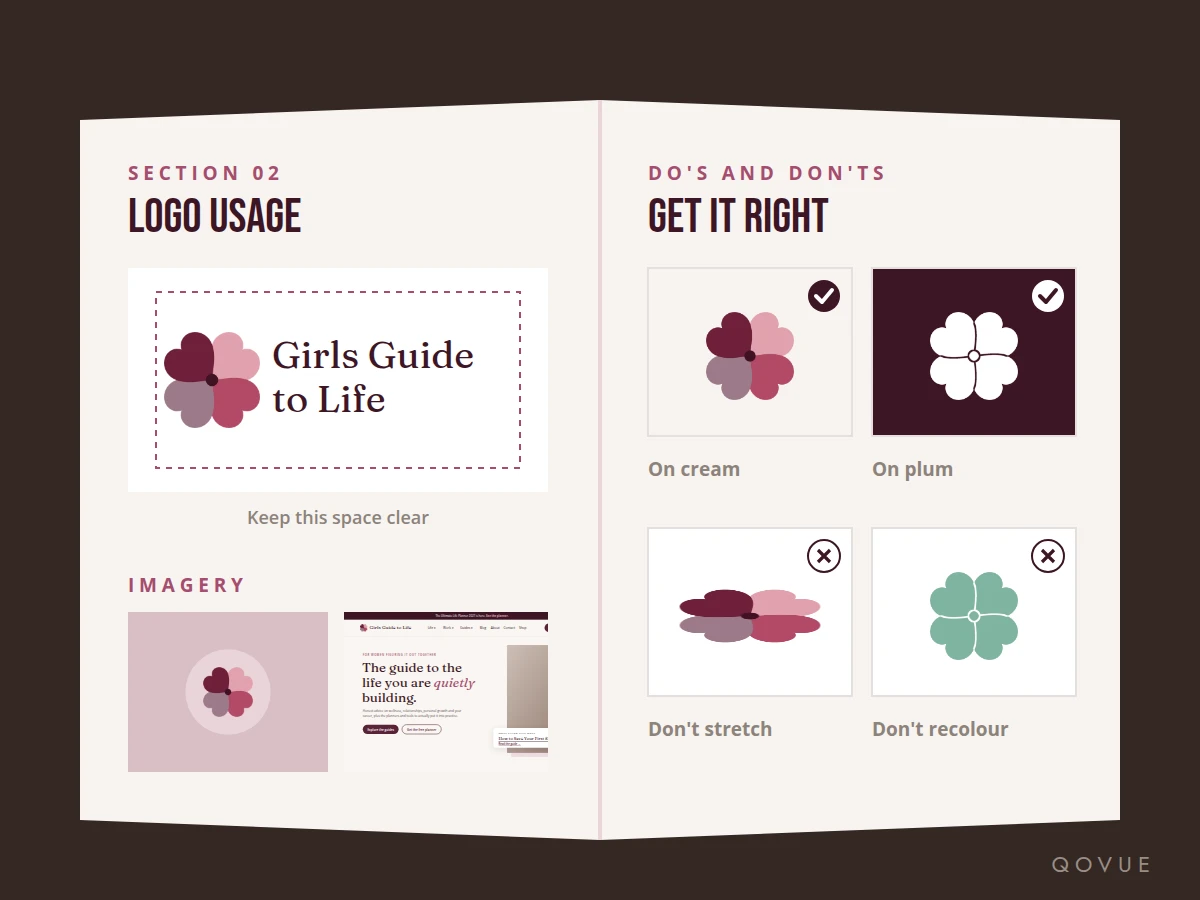
A clear guide showing how to use everything correctly, so printers, freelancers and new hires get it right without asking.
EXAMPLE
A PDF guide your printer, web developer and new team members can follow without having to ask you.
PDF guide Do’s and don’ts Examples
Applications
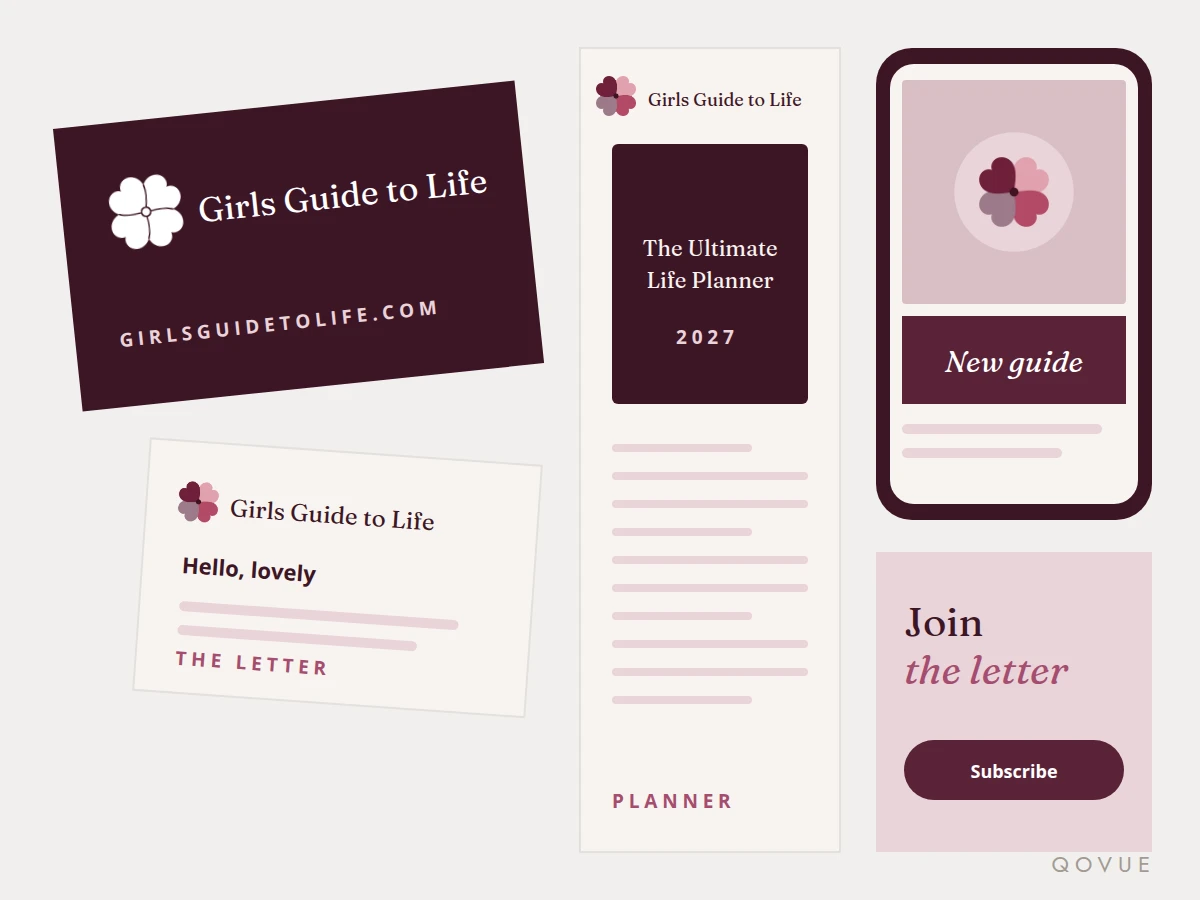
Business cards, stationery, packaging, signage, pitch decks and editable social templates.
EXAMPLE
Business cards, a letterhead, a set of Instagram templates and a pitch deck, all in your new style.
Print Social templates Pitch deck